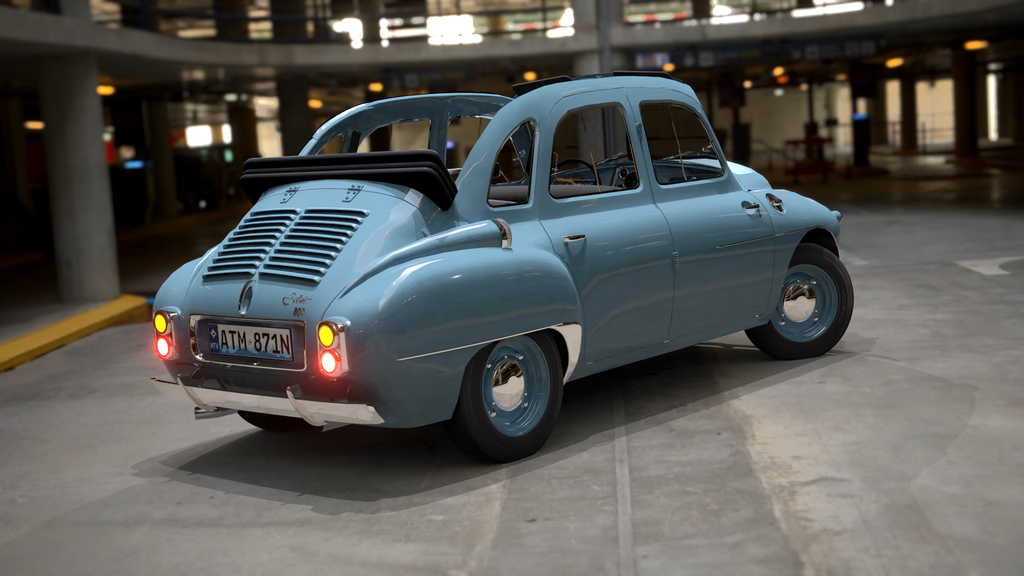


After over a decade of promises and an intensive development cycle,the Al Rilma Updateis finally available to all Automation players. And we’re not talking about a simple patch: this release radically redesigns the engine building experience, finally introducingsuperchargersand a cascade of technical innovations that elevate the simulation to a new standard of realism.
“Superchargers for all”is just the tip of the iceberg. Get ready to discover a cleaner, faster, more stable game — with mechanical depth that will change how you design your powertrains.
Car and Engine Designer — The Heart of the Revolution
Superchargers: Three Philosophies, Infinite Combinations
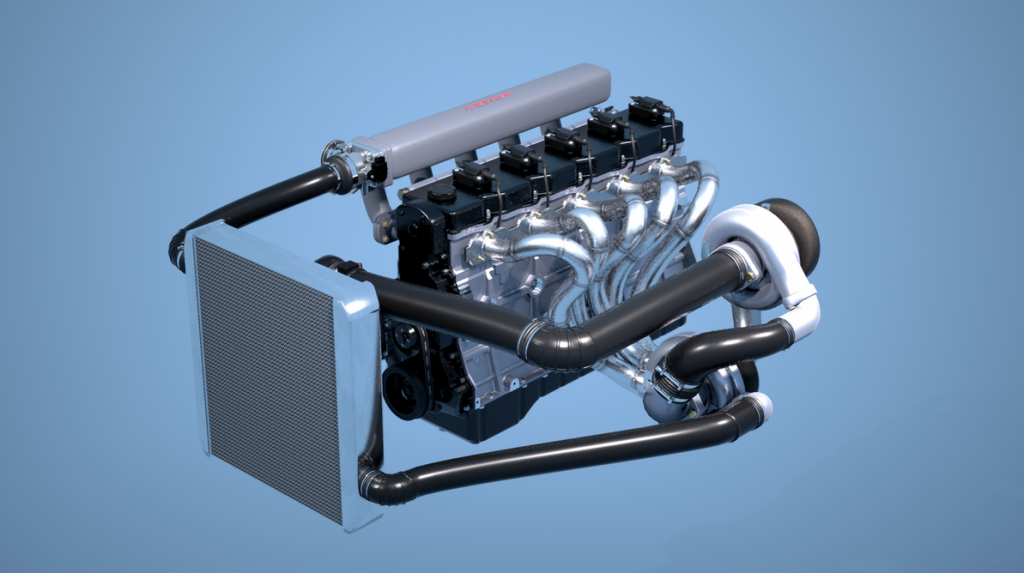
The most anticipated feature in Automation’s history is here. The Al Rilma Update introducesthree supercharger types, each with unique benefits and trade-offs:
- Roots: The classic bulky design, perfect for instant torque and…twincharging(more on that soon)
- Twin-Screw: Superior thermodynamic efficiency, less heat, more power per liter
- Centrifugal: Turbo-like behavior but without lag, ideal for high-RPM builds
Critical detail:Superchargers are available fromthe earliest date in the game, offering forced induction well before turbocharging becomes accessible. Finally you can build those ’30s/’50s muscle cars with historically correct supercharging.
Twincharging, Sequential & Compound: Forced Induction Evolves
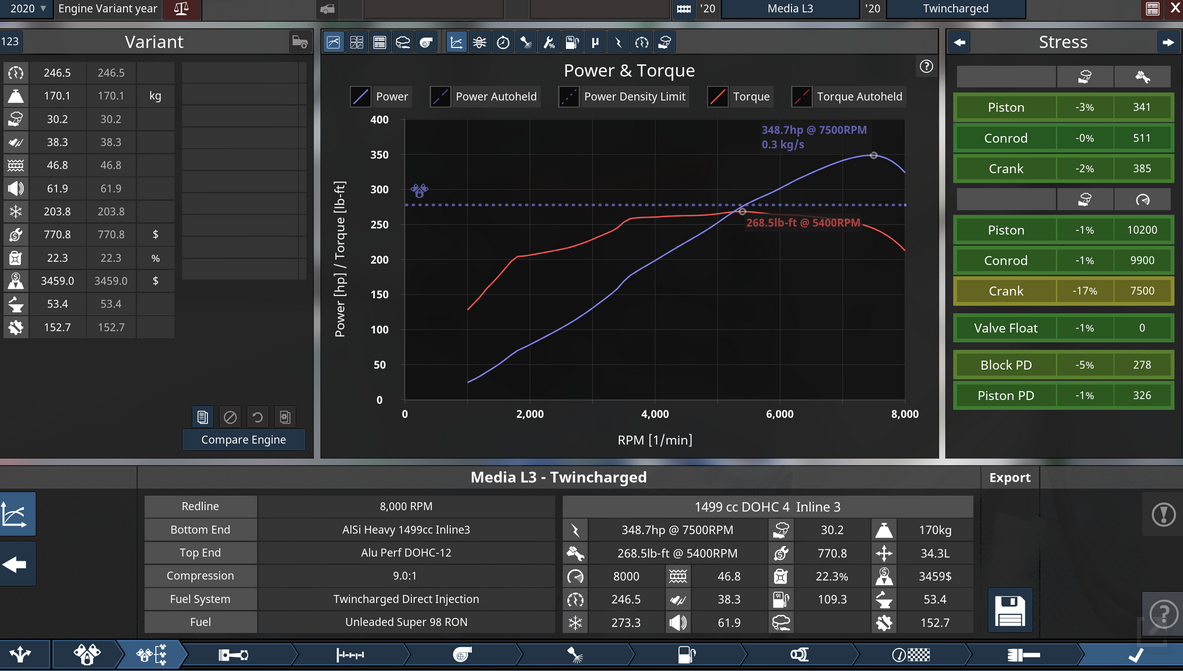
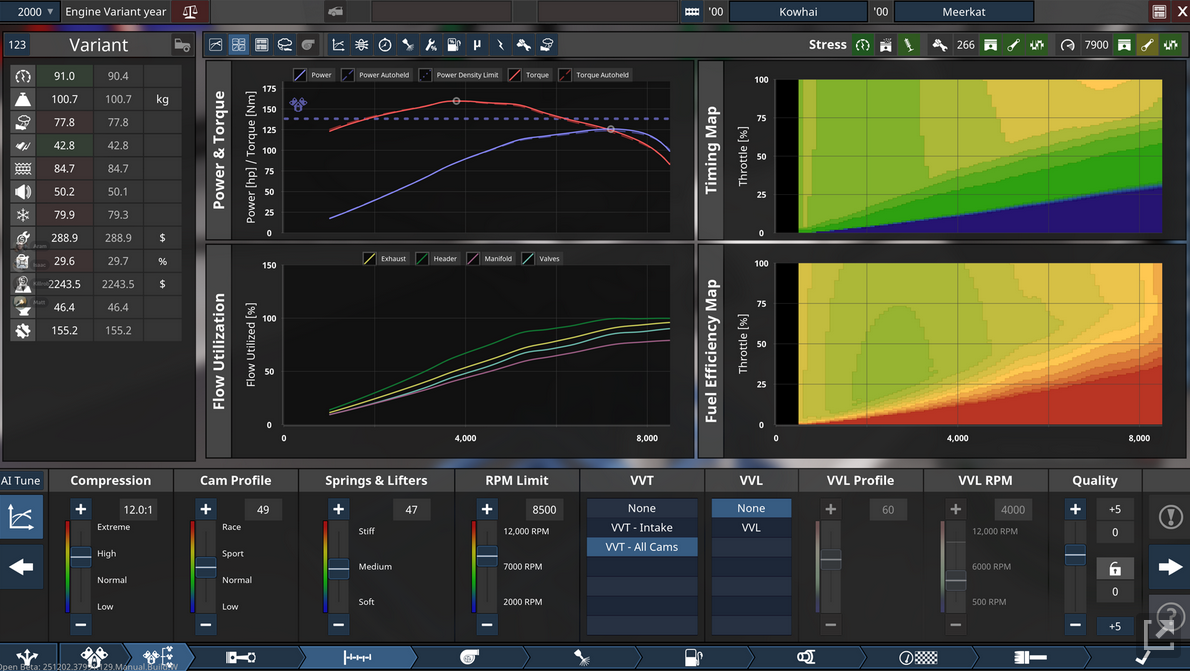
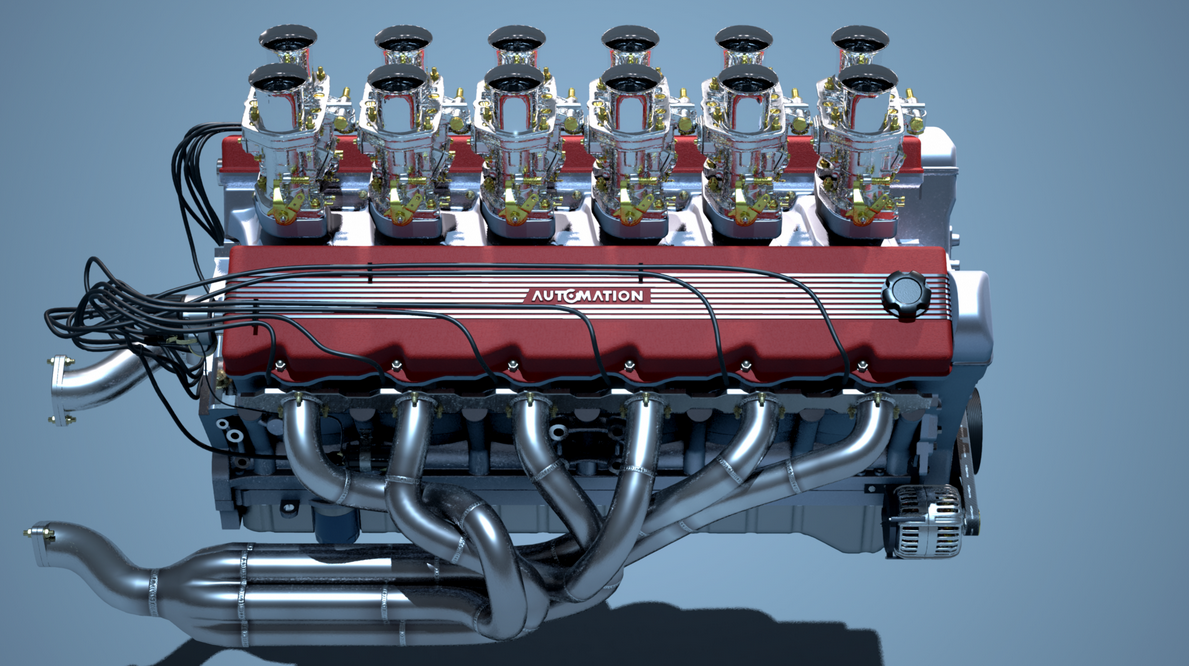
- Power curve graph:Comparison of blue line (turbo only) vs orange line (twincharged) — showing lag elimination and flatter torque plateau
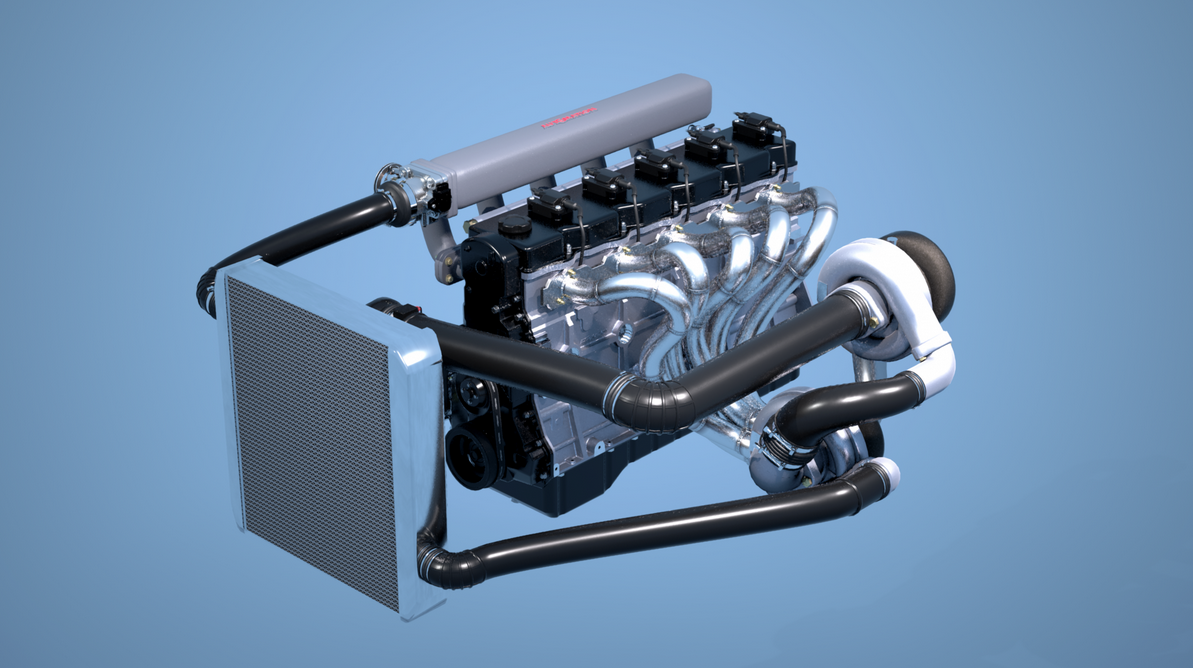
- Engine schematic view:Technical layout with turbo + supercharger in cascade, arrows indicating air flow
- Configuration UI:In-game panel showing “Sequential Twin-Turbo” and “Compound Turbocharging” selectable options
With the addition of superchargers, Automation explodes in complexity:twinchargingis born (Roots + turbo), allowing extreme power figures from compact engines with civilized delivery curves — or simply absurd numbers for your drag racers.
But it doesn’t end there. The work on “second stage” induction also made possible:
- Sequential turbochargers: Big boost at high RPM without sacrificing low-end response
- Compound turbocharging: One turbo feeds the second, for those seeking extreme challenges in pressure and absolute power